Posted on — Leave a comment

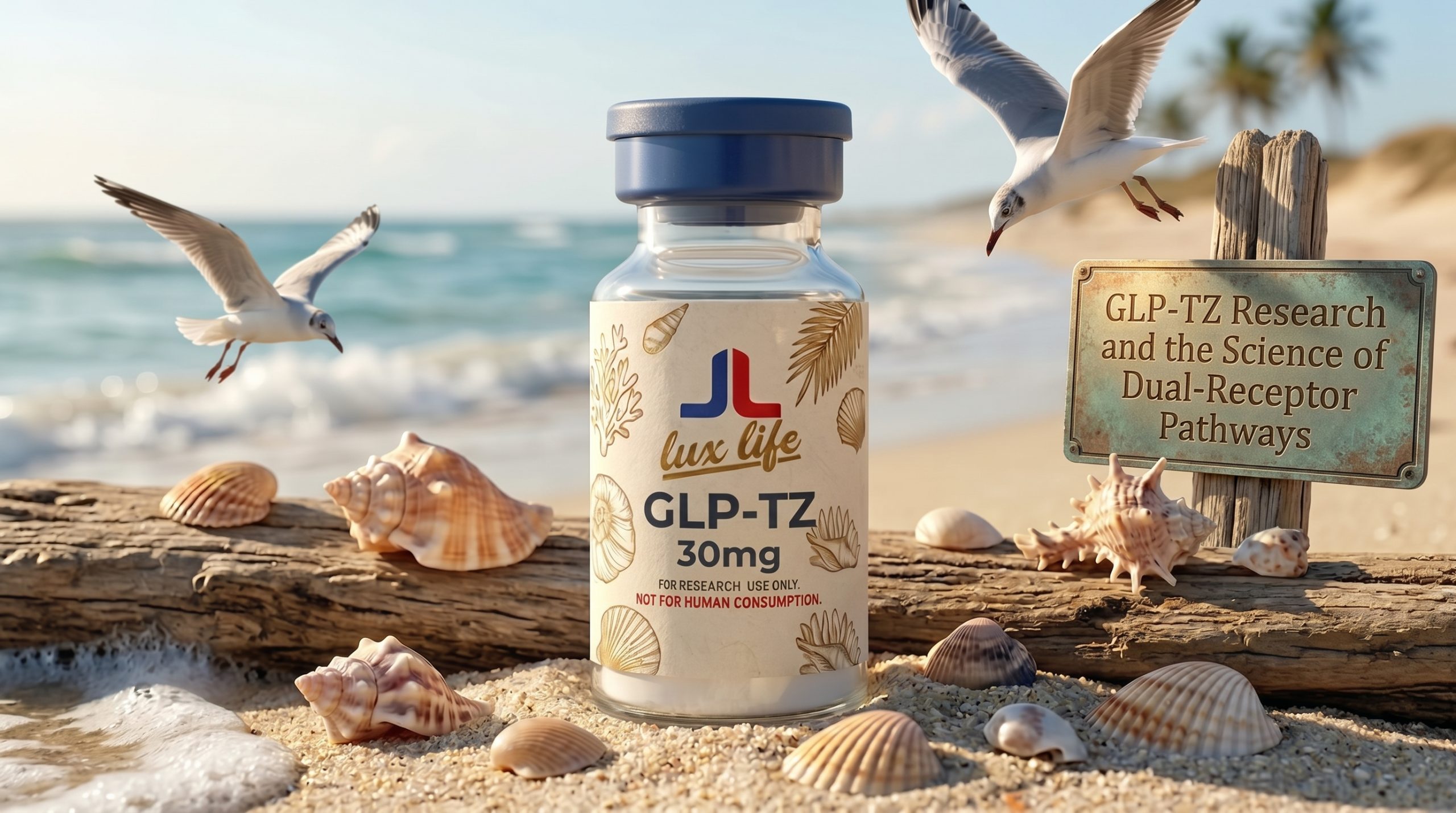
The Double Current: GLP-TZ Research and the Science of Dual-Receptor Pathways

The Tide Journal · Gulf Coast · October 5th, 2026

The Gulf Loop Current is a river inside an ocean.

It enters the Gulf of Mexico through the Yucatan Channel, swings north toward the Louisiana coast, then bends east and exits through the Florida Straits — a warm, fast-moving ribbon of deep blue water cutting through the shallower green Gulf. Where it runs, water temperatures are higher, surface currents accelerate, and the weather systems that form above it carry more energy.

What makes the Loop Current interesting is what happens where it meets the ambient Gulf water. Two current systems, moving at different speeds and temperatures, interact along their boundary. The interaction zone is where the interesting dynamics occur — eddies, gyres, elevated biological productivity, complex mixing that wouldn’t exist if only one current were running.

GLP-TZ — our name for the research compound known as Tirzepatide — operates on two receptor systems simultaneously, making it the dual-current research compound in our catalog.


What GLP-TZ Is

GLP-TZ is a synthetic dual agonist targeting both GLP-1 (glucagon-like peptide-1) and GIP (glucose-dependent insulinotropic polypeptide) receptors. Unlike GLP-RT (Retatrutide), which engages three receptor systems, GLP-TZ focuses on the GLP-1/GIP dual pathway — the interaction zone between two incretin hormone systems.

Research into GLP-TZ has examined the synergistic effects of simultaneous GLP-1 and GIP receptor activation, the downstream signaling differences between mono- and dual-receptor stimulation models, and the cellular effects in metabolic research contexts.

LuxLife Aminos GLP-TZ 30mg is lyophilized, HPLC-tested at >99% purity, independently verified. COA at luxlifeaminos.com/coas.

Research References


The Interaction Zone

In oceanography, the boundary between two current systems is never boring. The mixing, the turbulence, the eddies that spin off — these are where the productive, complex, interesting dynamics occur. Deep-sea fishermen know to look for the color change where warm blue Loop Current water meets cooler green Gulf water. That’s where the fish are.

Researchers studying dual-receptor agonists are studying the interaction zone. Not what happens when one receptor fires. What happens in the space between two receptor systems when both are engaged simultaneously.

That interaction zone is where the interesting research questions live.

Shop this compound · View every Certificate of Analysis · Research FAQ · Read next: Triple Tide

— Michael & Clarissa Wright
LuxLife Aminos · Gulf Coast, USA


All LuxLife Aminos products are intended strictly for in-vitro laboratory and research purposes only. Not for human or animal consumption. For Research Use Only. Terms of Service · Certificates of Analysis
Posted on — Leave a comment

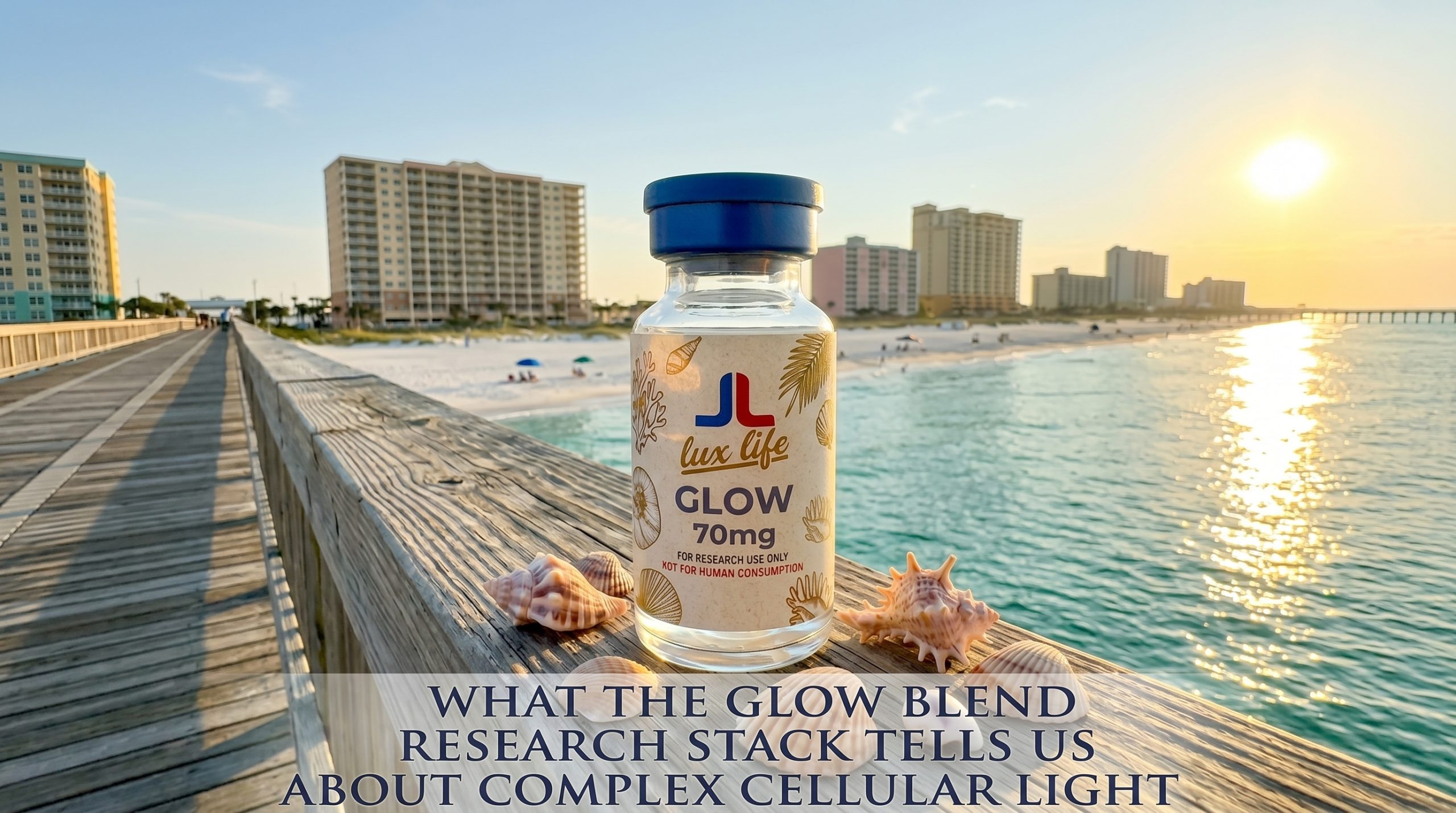
Bioluminescence: What the GLOW Blend Research Stack Tells Us About Complex Cellular Light

The Tide Journal · Gulf Coast · October 5th, 2026

On the right night, in the right bay, the Gulf water glows.

Dinoflagellates — single-celled organisms that produce their own light through a chemical reaction involving luciferin and luciferase — bloom in the warm shallow water of the Gulf Coast bays in late summer. When they’re disturbed by a wave, a paddle, a swimming fish, they flash. A kayak moving through a bloom at night leaves a trail of blue-green light. The wake of a boat glows.

It is one of the more extraordinary things we’ve seen on this coast. And what makes it fascinating, beyond the obvious beauty, is what it is: a complex chemical reaction producing visible output, triggered by mechanical stimulus, occurring simultaneously across millions of individual organisms.

Complex chemistry. Coordinated output. Visible result.

The GLOW blend is our name for a multi-compound research stack combining GHK-Cu (50mg), BPC-157 (10mg) and TB-500 (10mg) in a single 70mg lyophilized vial. It is designed for researchers studying the combined and interacting effects of multiple signaling molecules in a unified cellular environment.


What GLOW Is

The GLOW blend is a multi-compound research formulation containing GHK-Cu (copper peptide, 50mg), BPC-157 (10mg) and TB-500 (Thymosin Beta-4 fragment, 10mg). It is intended for in-vitro researchers who want to study the combined cellular effects of multiple signaling molecules simultaneously, rather than testing each compound in isolation.

Research using multi-compound stacks introduces complexity that single-compound studies cannot access — the interactions between pathways, the synergistic and antagonistic relationships between signals, the emergent cellular states that arise only when multiple inputs are active at once.

LuxLife Aminos GLOW 70mg is lyophilized, HPLC-tested at >99% purity, independently verified. Full COA at luxlifeaminos.com/coas.

Research References


The Chemistry of Light

What the dinoflagellates do — coordinated bioluminescence — is not one reaction. It is many reactions, happening in sequence, in the right conditions, producing an output that none of them could produce individually.

That’s what multi-compound research is for. Not to test one signal. To test what happens when multiple signals are present at once, in the same cellular environment, at the same time.

The light only appears when conditions are right. The research only becomes interesting when the questions get complex enough.

Shop this compound · View every Certificate of Analysis · Research FAQ · Read next: Copper and Coast · Read next: The Resilient Coast

— Michael & Clarissa Wright
LuxLife Aminos · Gulf Coast, USA


All LuxLife Aminos products are intended strictly for in-vitro laboratory and research purposes only. Not for human or animal consumption. For Research Use Only. Terms of Service · Certificates of Analysis
Posted on — Leave a comment

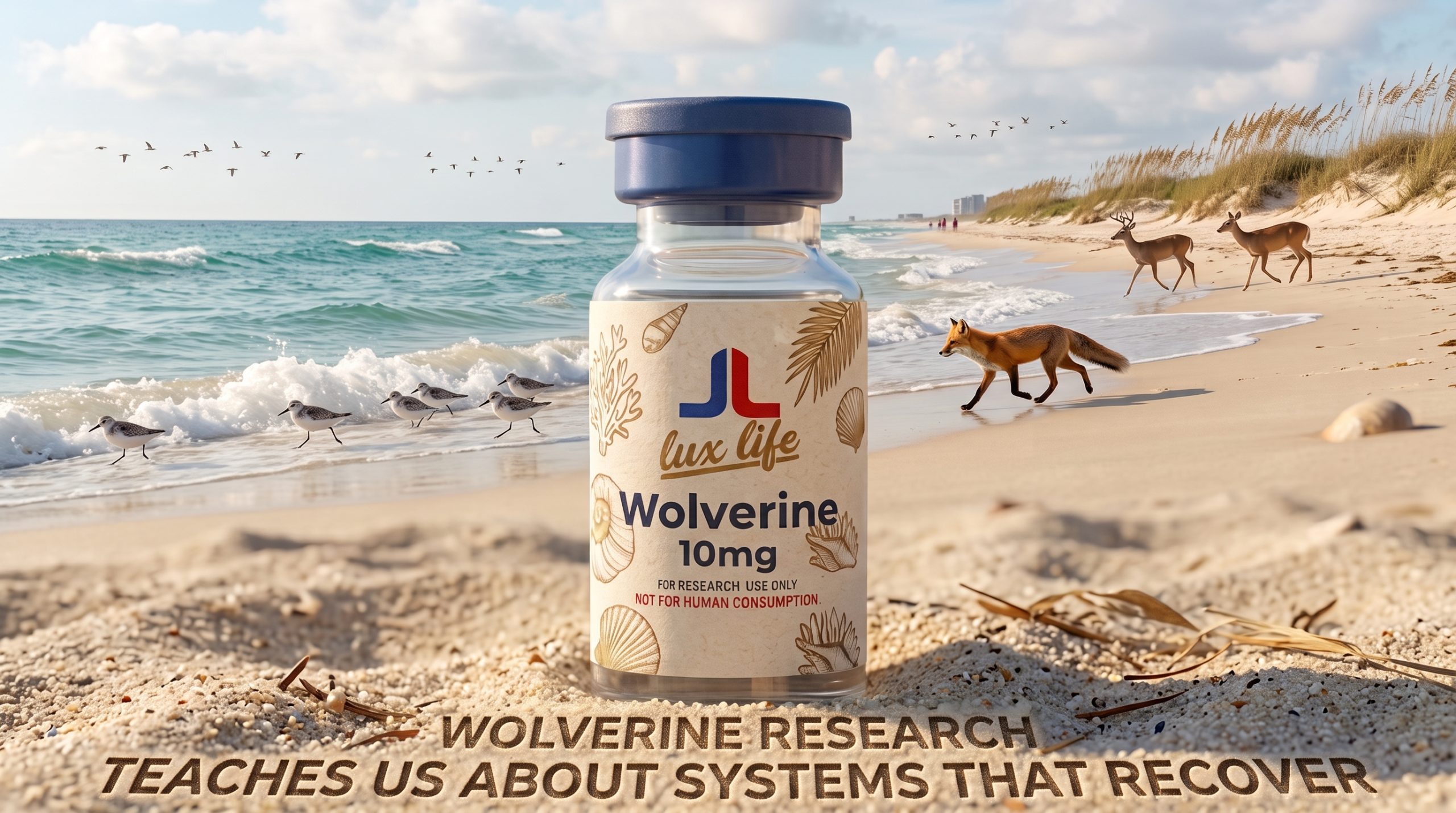
The Resilient Coast: What Wolverine Blend Research Teaches Us About Systems That Recover

The Tide Journal · Gulf Coast · October 5th, 2026

The longleaf pine ecosystem of coastal Alabama is one of the most fire-adapted environments on earth.

Before European settlement, the coastal plains burned every two to five years — lightning strikes in dry summers, fires spreading through the wiregrass understory. The longleaf pine evolved to survive this. The seedlings spend their first years as a grass-like tuft, putting all their energy into a deep root system rather than vertical growth. When the fire comes, the above-ground material burns. The root system survives. Within months, the seedling is growing again from a base that the fire couldn’t reach.

Two systems made this possible. The deep root architecture of the tree itself — its structural capacity to preserve and regenerate. And the wiregrass understory — which regulated the fire frequency and intensity, creating the predictable disturbance pattern the longleaf evolved alongside.

Two systems. One resilient outcome.

We named our BPC-157/TB-500 blend Wolverine because the research literature on these two peptides, in isolation and in combination, consistently returns to the same theme: cellular and tissue recovery mechanisms. BPC-157 and TB-500 work through different pathways. Together, in in-vitro and animal model research, they represent a dual-mechanism study platform for recovery-related cellular signaling.


What Wolverine Is

BPC-157 (Body Protection Compound 157) is a synthetic pentadecapeptide derived from a protein found in gastric juice. It is studied in laboratory and animal model research for its effects on angiogenesis, growth factor signaling, and the cellular mechanisms associated with tissue modeling.

TB-500 (Thymosin Beta-4 fragment) is a synthetic version of a peptide involved in actin polymerization and cell migration. Research into TB-500 has examined its role in cellular proliferation, vessel formation, and the regulatory mechanisms of the actin cytoskeleton.

The Wolverine blend combines both in a single lyophilized vial — 5mg BPC-157 and 5mg TB-500 — for researchers studying the combined and individual effects of both compounds in a single experimental system.

HPLC-tested at >99% purity. COA at luxlifeaminos.com/coas.

Research References


The Root System

What we find compelling about both BPC-157 and TB-500 as research subjects is their connection to foundational cellular processes — the kind that operate below the visible surface, in the root system, in the architecture that determines what a system can recover from.

The longleaf pine doesn’t wait for the fire to prepare for recovery. The preparation is built into the structure of the organism from the beginning.

That’s the kind of biology worth studying carefully.

Shop this compound · View every Certificate of Analysis · Research FAQ · Read next: Bioluminescence

— Michael & Clarissa Wright
LuxLife Aminos · Gulf Coast, USA


All LuxLife Aminos products are intended strictly for in-vitro laboratory and research purposes only. Not for human or animal consumption. For Research Use Only. Terms of Service · Certificates of Analysis
Posted on — Leave a comment

The Currency of the Coast: What NAD+ Research Reveals About Cellular Energy Economy

The Tide Journal · Gulf Coast · October 5th, 2026

The Gulf Coast economy runs on shrimp.

Not just the shrimp themselves — the whole system built around them. The bait shops that sell the cast nets. The ice houses that keep the catch cold. The fuel docks, the processing plants, the restaurants, the festivals. Every dollar that enters the local economy gets exchanged and re-exchanged through the system, doing work at each transaction before eventually leaving or being reinvested.

Economists call this the multiplier effect. Biologists call the cellular equivalent NAD+.

Nicotinamide adenine dinucleotide is the currency of cellular energy metabolism. It doesn’t get consumed — it gets oxidized and reduced, cycling between NAD+ and NADH, carrying electrons from one reaction to the next. Every calorie you metabolize passes through this molecule. Every ATP your cells produce requires it. It is, in the most literal sense, the exchange medium of cellular economy.

And like all currencies, its availability determines how much work the economy can do.


What NAD+ Is

NAD+ (nicotinamide adenine dinucleotide, oxidized form) is a coenzyme found in all living cells, essential to hundreds of metabolic reactions. It functions as an electron carrier in the mitochondrial electron transport chain and as a substrate for enzymes including sirtuins, PARPs, and CD38.

Research into NAD+ has focused on its role in energy metabolism and mitochondrial function, sirtuin activation and gene expression regulation, DNA repair mechanisms, and the decline of cellular NAD+ availability in aging research models.

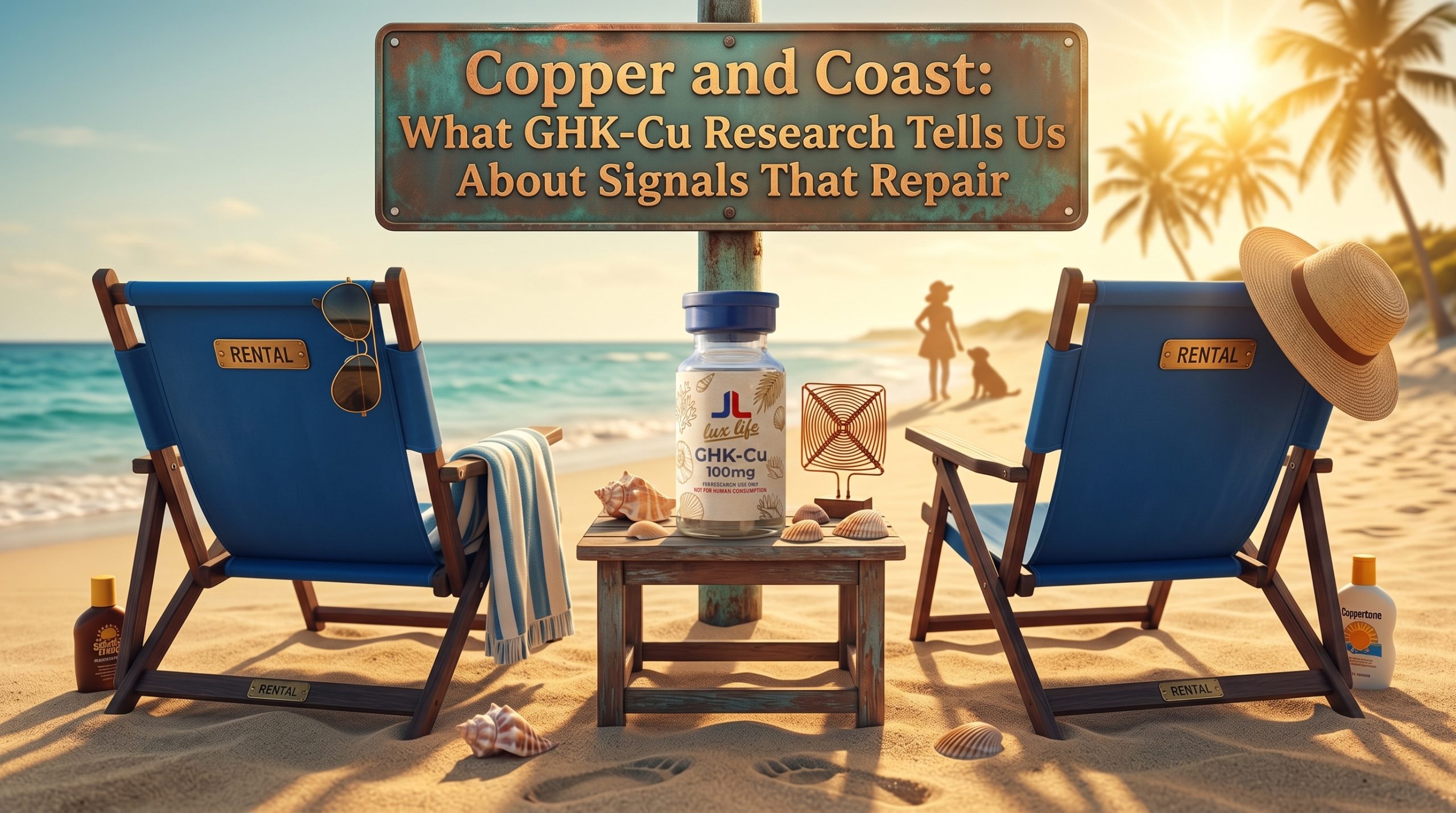
LuxLife Aminos NAD+ 500mg is a research compound for in-vitro use only. Not for injection. HPLC-tested at >99% purity, independently verified. COA at luxlifeaminos.com/coas.

Research References


The Multiplier

What makes NAD+ such a compelling research subject is precisely its centrality. It is not a signal that triggers one specific pathway — it is the substrate that every pathway depends on. Which means that changes in NAD+ availability in research models ripple through the entire cellular economy.

The shrimp season opens and the whole coast feels it. The shrimp season closes and the whole coast feels that too.

Researchers studying NAD+ are studying something that is simultaneously everywhere and limited — present in every cell, essential to every major metabolic function, and subject to depletion under conditions of cellular stress.

That’s a research question with implications that extend far beyond any single pathway.

Shop this compound · View every Certificate of Analysis · Research FAQ · Read next: Mitochondrial Letters

— Michael & Clarissa Wright
LuxLife Aminos · Gulf Coast, USA


All LuxLife Aminos products are intended strictly for in-vitro laboratory and research purposes only. Not for human or animal consumption. For Research Use Only. Terms of Service · Certificates of Analysis
Posted on — Leave a comment

Copper and Coast: What GHK-Cu Research Tells Us About Signals That Repair

The Tide Journal · Gulf Coast · October 5th, 2026

After a storm on the Gulf Coast, the beach looks destroyed.

Wrack lines of seagrass and debris mark the high water. Sandbars have shifted. The dunes have lost their grass. There are bare patches where sea oats once held everything together. To a visitor, it looks like damage that will take years to undo.

Come back two weeks later. The sea oats are regrowing from their root systems. The wrack line is breaking down into organic matter that feeds the dune. The sandbars have resettled into new equilibriums. The beach looks — not identical to before, but coherent. Purposeful. Repaired.

Coastal ecosystems have extraordinary capacity for repair precisely because they have been shaped by disruption for thousands of years. Repair isn’t an emergency response. It’s a baseline state.

GHK-Cu is a naturally occurring tripeptide — glycine-histidine-lysine bound to a copper ion — that has been studied extensively for its role in cellular signaling related to repair and remodeling processes. It is found in human plasma, saliva, and urine, and its concentrations in plasma decline with age.

What it signals — and to what — is what laboratory research is working to understand.


What GHK-Cu Is

GHK-Cu (copper peptide GHK) is a tripeptide complex consisting of the sequence glycyl-L-histidyl-L-lysine bound to a copper (II) ion. It was first isolated from human plasma albumin in 1973 and has since been the subject of extensive in-vitro research into its effects on gene expression, cellular proliferation, and extracellular matrix synthesis.

Research into GHK-Cu has explored its interactions with DNA repair mechanisms, antioxidant gene expression, and matrix metalloproteinase regulation in controlled cellular models. The copper ion is not merely a structural component — it is integral to the peptide’s biological activity, participating directly in the signaling cascade.

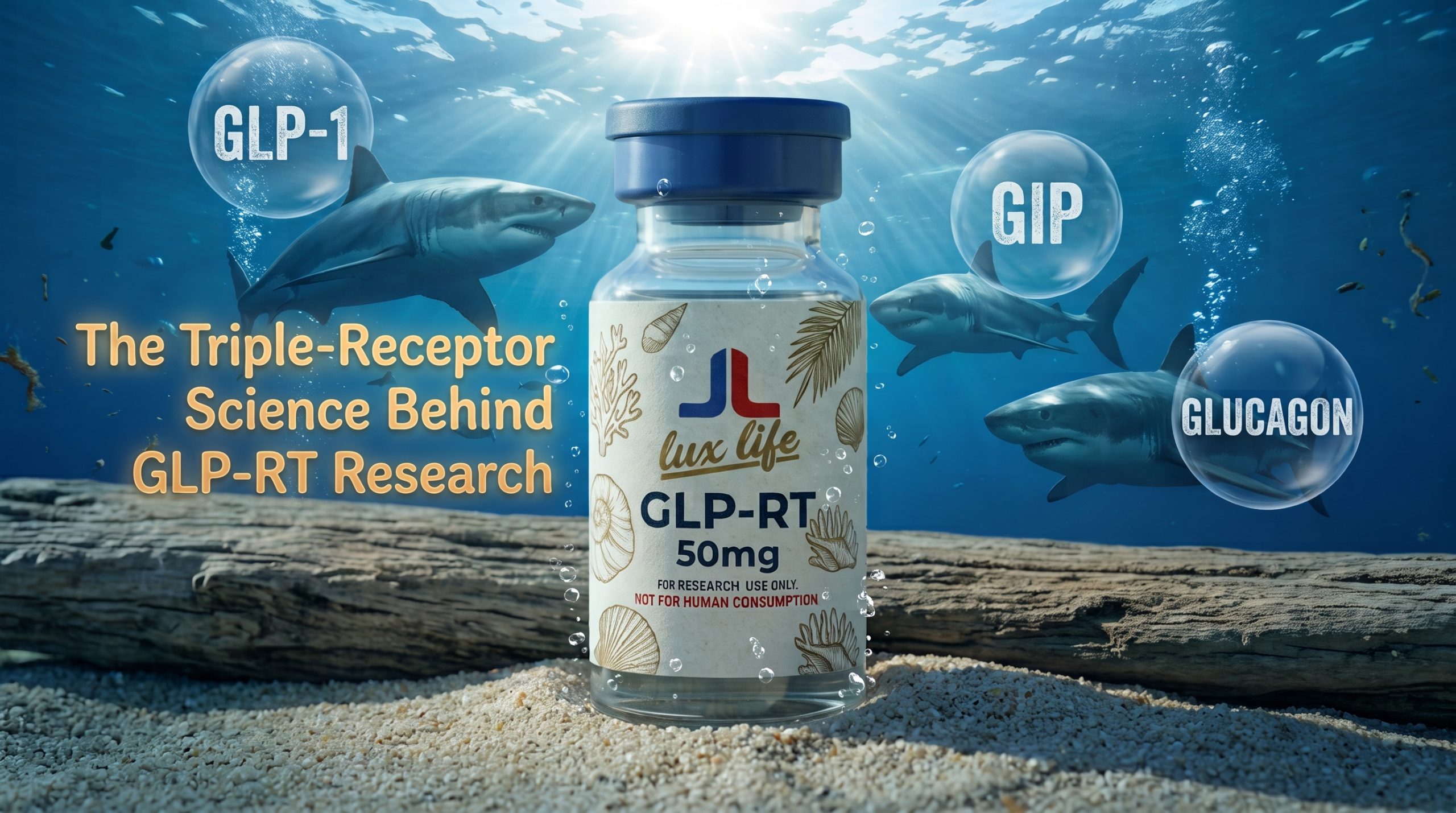
LuxLife Aminos GHK-Cu is available in 100mg vials, lyophilized, HPLC-tested at >99% purity. COA available at luxlifeaminos.com/coas.

Research References


The Copper in the Coast

What we find beautiful about GHK-Cu as a research subject is how ancient the signal is. This tripeptide appears in human plasma at concentrations that decline measurably across a human lifetime. It is not a novel intervention — it is a molecule the body already produces, already uses, already regulates. The research question isn’t “does this exist?” It’s “what does it do, precisely, at the cellular level?”

That’s a different kind of question. And it requires the same kind of attention the coast requires after a storm: patience, precision, and a willingness to come back and observe over time.

Shop this compound · View every Certificate of Analysis · Research FAQ · Read next: Bioluminescence

— Michael & Clarissa Wright
LuxLife Aminos · Gulf Coast, USA


All LuxLife Aminos products are intended strictly for in-vitro laboratory and research purposes only. Not for human or animal consumption. For Research Use Only. Terms of Service · Certificates of Analysis
Posted on — Leave a comment

Triple Tide: The Triple-Receptor Science Behind GLP-RT Research

The Tide Journal · Gulf Coast · October 5th, 2026

The Gulf Coast has three water systems working simultaneously.

The Mississippi River empties fresh water from the continent. The open Gulf carries warm saline current from the deep. And the coastal estuaries — the bays, the bayous, the tidal flats — mix them together into something that is neither and both: brackish, productive, and extraordinarily complex. Life in the estuary has learned to navigate all three inputs at once. Oysters filter it. Redfish hunt in it. Blue crabs molt in it.

Triple systems produce triple complexity. And triple complexity, when it is well-understood, produces extraordinary outcomes.

GLP-RT — our name for the research compound known as Retatrutide — operates on three receptor systems simultaneously.


What GLP-RT Is

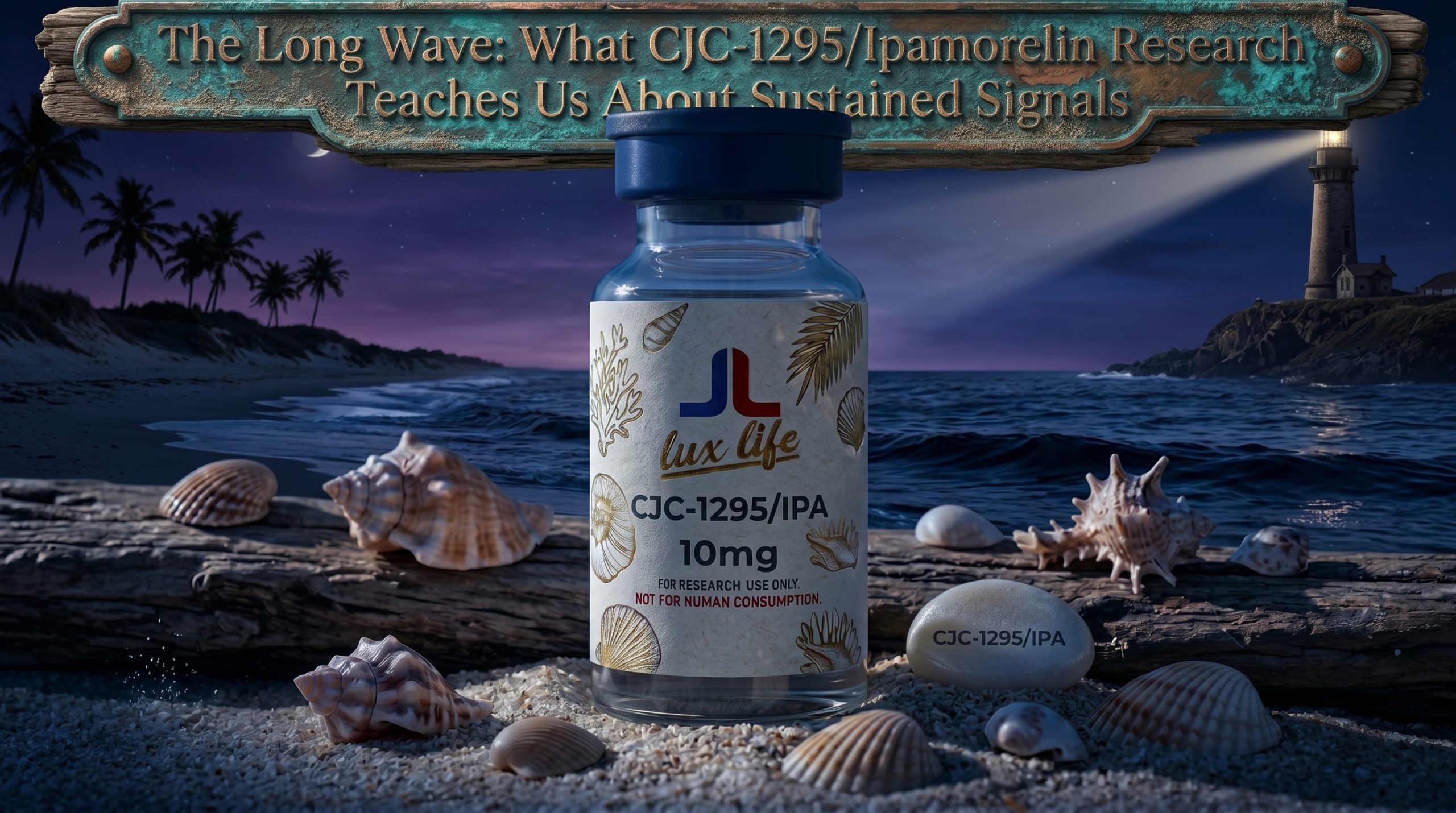
Retatrutide is a triple receptor agonist targeting GLP-1 (glucagon-like peptide-1), GIP (glucose-dependent insulinotropic polypeptide), and glucagon receptors. It is studied in laboratory research for its triagonist mechanism, the downstream effects of simultaneous stimulation across three metabolic hormone pathways, and the cellular responses in models of metabolic signaling.

The triple-receptor mechanism is what makes Retatrutide particularly interesting to researchers. Each receptor system represents a distinct pathway — GLP-1 receptors in the gut and pancreas, GIP receptors in adipose tissue and bone, glucagon receptors in the liver. Simultaneous engagement of all three creates a research model of considerable complexity.

LuxLife Aminos GLP-RT 10mg is lyophilized, HPLC-tested at >99% purity, and independently verified. Full COA at luxlifeaminos.com/coas.

Research References


Three Channels, One Signal

The estuary doesn’t try to resolve its three water systems into one. The brackish zone is the product of their interaction — not a compromise, but an emergent state that wouldn’t exist without all three inputs running simultaneously.

Researchers studying triple agonists are essentially mapping what the emergent state looks like at the cellular level. When all three receptors fire together, what changes? What doesn’t? What downstream effects are additive versus synergistic versus entirely novel?

Those are the questions worth asking. And they require a starting compound precise enough not to introduce variables of its own.

Which is why we test every batch.

Shop this compound · View every Certificate of Analysis · Research FAQ · Read next: The Double Current

— Michael & Clarissa Wright
LuxLife Aminos · Gulf Coast, USA


All LuxLife Aminos products are intended strictly for in-vitro laboratory and research purposes only. Not for human or animal consumption. For Research Use Only. Terms of Service · Certificates of Analysis
Posted on — Leave a comment

The Long Wave: What CJC-1295/Ipamorelin Research Teaches Us About Sustained Signals

The Tide Journal · Gulf Coast · October 5th, 2026

Not all waves are created equal.

The small chop on the Gulf on a calm afternoon — those quick ripples that barely reach your knees — dissipates in seconds. But the long swell that rolls in ahead of a distant storm? That wave was generated hundreds of miles away. It has been traveling for days. By the time it reaches Gulf Shores, it carries the accumulated energy of weather systems you never saw.

The duration of a signal matters enormously. In the Gulf, in the atmosphere, and in the hypothalamic-pituitary axis.

CJC-1295 and Ipamorelin work on the same system — the growth hormone axis — but through different receptors and by different mechanisms. CJC-1295 is a GHRH analog, modified for extended stability. Ipamorelin is a ghrelin mimetic, acting on the GHS-R1a receptor. Together, in laboratory research models, they represent two distinct inputs to the same output: growth hormone release from the anterior pituitary.

Two separate signals. One shared destination. A long wave and a short one arriving at the same shore.


What CJC-1295/Ipamorelin Is

CJC-1295 is a synthetic analog of growth hormone-releasing hormone with a Drug Affinity Complex (DAC) modification that extends its half-life significantly compared to native GHRH. Ipamorelin is a pentapeptide that selectively stimulates growth hormone secretion via the ghrelin receptor, with high selectivity and minimal effect on other pituitary hormones in research models.

The combination is studied in in-vitro and animal model research for its dual-receptor stimulation of the somatotropic axis, the synergistic relationship between GHRH receptor and GHS-R1a activation, and the downstream effects on IGF-1 and cellular growth signaling.

LuxLife Aminos CJC-1295/IPA 10mg blend is lyophilized, HPLC-tested at >99% purity, independently verified. COA at luxlifeaminos.com/coas.

Research References


Two Inputs, One System

What makes this pairing interesting for researchers isn’t just that both peptides stimulate GH release — it’s that they do so through fundamentally different mechanisms, which allows researchers to study the additive and synergistic effects of dual-pathway stimulation in controlled conditions.

CJC-1295 acts on the GHRH receptor. Ipamorelin acts on the ghrelin receptor. The somatotroph cell, receiving both signals simultaneously, responds differently than it would to either signal alone. The long swell and the short chop arrive together.

What happens at the shoreline — that’s what the research is for.

Shop this compound · View every Certificate of Analysis · Research FAQ · Read next: The Architecture of the Tide

— Michael & Clarissa Wright
LuxLife Aminos · Gulf Coast, USA


All LuxLife Aminos products are intended strictly for in-vitro laboratory and research purposes only. Not for human or animal consumption. For Research Use Only. Terms of Service · Certificates of Analysis
Posted on — Leave a comment

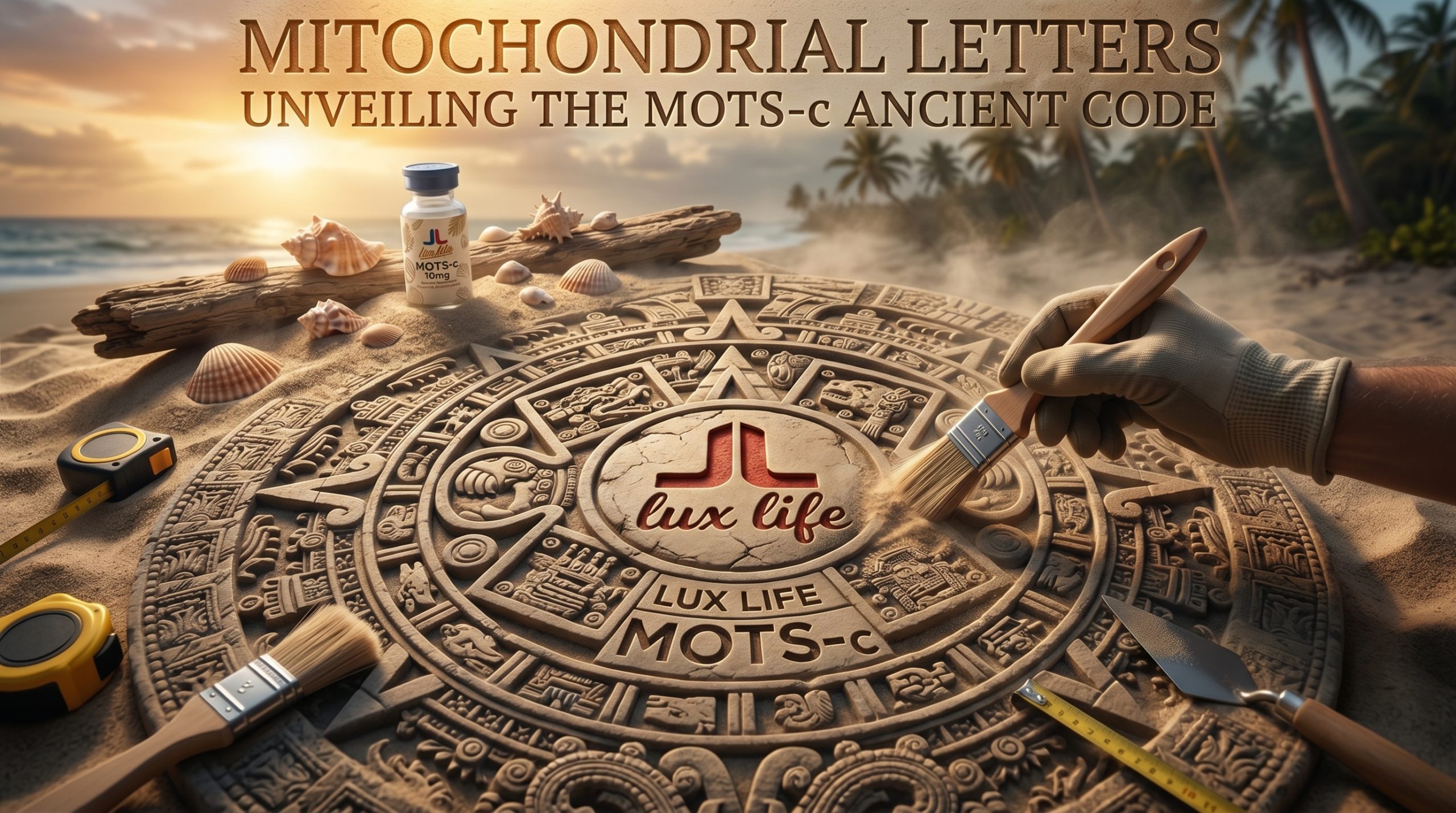
Mitochondrial Letters: What MOTS-c Research Reveals About Messages Written in Ancient Code

The Tide Journal · Gulf Coast · October 5th, 2026

There are messages written in the sand at low tide that disappear before most people wake up.

You have to be out early to read them — the trails left by ghost crabs returning to their burrows, the parallel grooves of a horseshoe crab crossing the shallows, the tiny hieroglyphics of sandpipers working the waterline. By the time the beach fills with people, the tide has come back in and smoothed everything flat. The messages were always there. Most people just didn’t know to look.

MOTS-c is a message written in code so old that researchers didn’t know it existed until 2015.

It originates from the mitochondrial genome — not the nuclear DNA that most people think of when they think of genetic code, but the separate, ancient genome carried inside the mitochondria themselves. Mitochondria have their own DNA, a remnant of the bacterial ancestors they once were, billions of years ago, before they were incorporated into the first eukaryotic cells. MOTS-c is encoded there, in that ancient archive, and it communicates across the cell in ways researchers are only beginning to map.

What’s remarkable about MOTS-c is where it goes. Unlike most mitochondria-derived peptides, it travels — from the mitochondria to the nucleus, where it interacts with gene expression. A message from an ancient archive, rewriting instructions in the present.


What MOTS-c Is

MOTS-c (Mitochondrial Open Reading Frame of the 12S rRNA Type-c) is a 16-amino-acid peptide encoded within the mitochondrial 12S ribosomal RNA gene. Its discovery by a research team at USC in 2015 opened an entirely new category of signaling molecules — mitochondria-derived peptides, or MDPs — and sparked significant interest in the role of mitochondrial communication in cellular metabolism and stress response.

In laboratory research, MOTS-c has been studied in the context of metabolic regulation, AMPK pathway activation, and the cellular response to metabolic stress. Its ability to translocate to the nucleus and modulate gene expression makes it a particularly interesting subject for researchers studying the crosstalk between mitochondrial and nuclear signaling.

LuxLife Aminos MOTS-c 10mg is lyophilized, HPLC-tested at >99% purity, and independently verified. COA available at luxlifeaminos.com/coas.

Research References


The Ancient Archive

We spend a lot of time near the water, and one of the things we’ve come to love about the Gulf Coast is how much of it is genuinely ancient. The barrier islands, the dunes, the underwater seagrass beds — these are systems that have been building for thousands of years. They carry information forward in ways that aren’t obvious unless you know what you’re looking at.

Mitochondria are the same way. They carry a genome that predates the cell they live in, communicate in a molecular language that developed billions of years before we developed language, and regulate processes that the nucleus — the cell’s modern command center — depends on entirely.

MOTS-c is a fragment of that ancient communication system. A peptide message from the oldest part of the cell.

Studying it requires the same thing that reading tide messages requires: being there early, knowing what to look for, and having tools precise enough to read something small.

Shop this compound · View every Certificate of Analysis · Research FAQ · Read next: The Architecture of the Tide

— Michael & Clarissa Wright
LuxLife Aminos · Gulf Coast, USA


All LuxLife Aminos products are intended strictly for in-vitro laboratory and research purposes only. Not for human or animal consumption. For Research Use Only. Terms of Service · Certificates of Analysis

Posted on — Leave a comment

The Architecture of the Tide: What Tesamorelin Research Teaches Us About Rhythms We Cannot See

The Tide Journal · Gulf Coast · October 5th, 2026

The Gulf of Mexico doesn’t keep a flat shoreline. It breathes.

Twice a day, the water draws back — exposing sandbars, revealing shells, emptying the shallows — and twice a day it returns, filling everything back to the waterline as if the morning never happened. Clarissa noticed it on our first morning in Gulf Shores. We’d walked out to the water’s edge at sunrise and marked a shell in the wet sand. By the time we came back with coffee, the shell was gone. Not washed away — covered. The tide had come back in.

The ocean runs on a pulse.

Research into growth hormone-releasing hormone analogs begins with a similar observation: the body doesn’t secrete growth hormone in a flat line. It pulses. Short, rhythmic bursts — primarily during deep sleep, primarily in the early hours before dawn. The architecture of that pulse, its amplitude and frequency, is what researchers are studying when they work with synthetic GHRH analogs like Tesamorelin.

Understanding the rhythm, as it turns out, requires understanding what happens when it changes.


What Tesamorelin Is

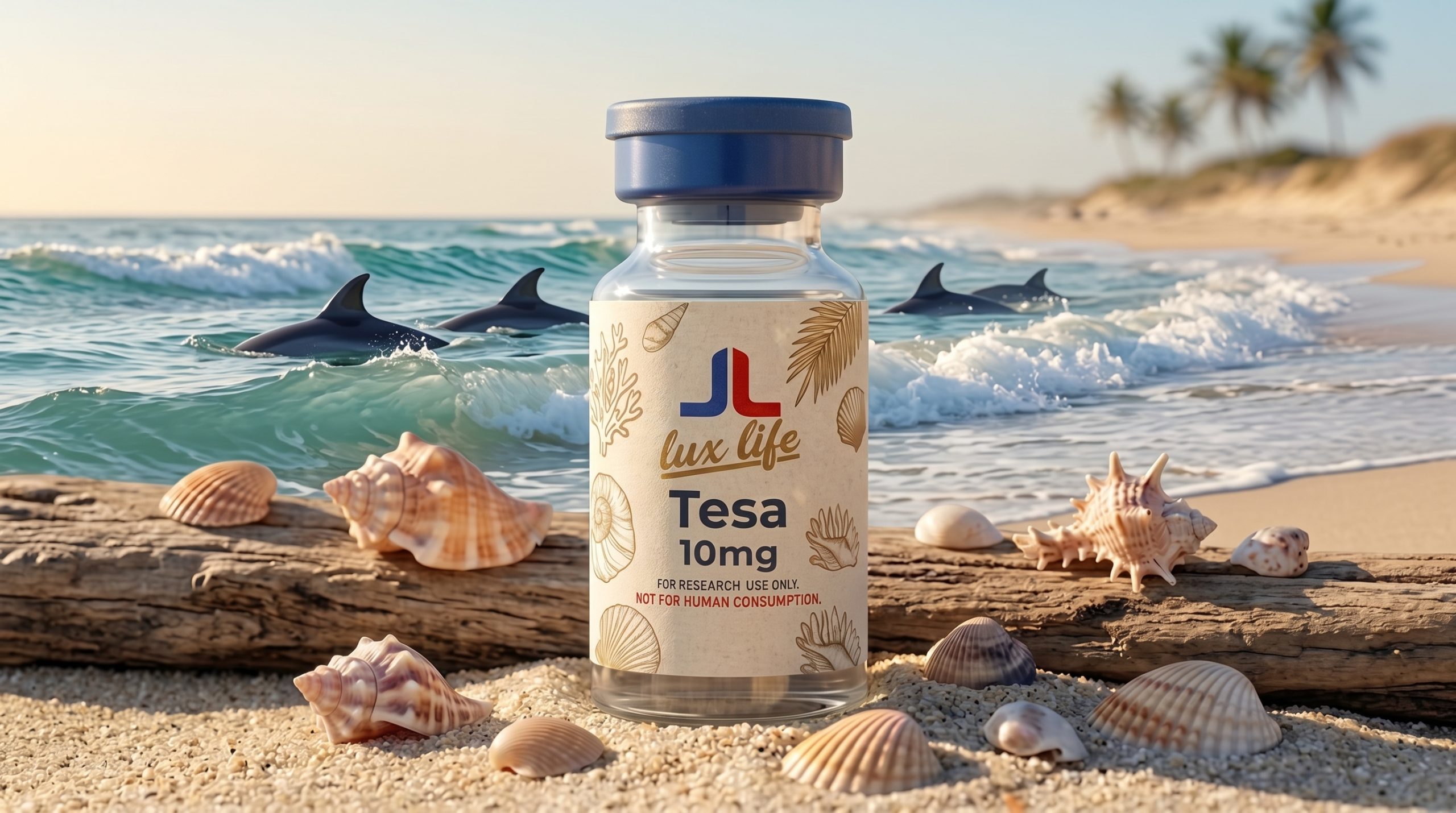
Tesamorelin is a synthetic analog of growth hormone-releasing hormone (GHRH), a 44-amino-acid peptide produced in the hypothalamus. Like the endogenous version, Tesamorelin acts on pituitary somatotroph cells — the cells responsible for producing and releasing growth hormone. The synthetic analog has been modified at its N-terminus with a trans-3-hexenoic acid group, which increases its stability compared to native GHRH and extends its half-life in solution.

It is this structural modification that makes Tesamorelin particularly interesting for in-vitro research. Where native GHRH degrades rapidly, Tesamorelin maintains its binding affinity longer — allowing researchers to study GHRH receptor interactions, downstream signaling cascades, and the cellular effects of sustained versus pulsed stimulation in controlled laboratory conditions.

Our batch of Tesamorelin 10mg is lyophilized, HPLC-tested at >99% purity, and verified by an independent laboratory. The full Certificate of Analysis is publicly available at luxlifeaminos.com/coas.

Research References


The Architecture of a Signal

When we think about precision in the laboratory, we tend to think about measurements — concentrations, volumes, temperatures, timing. But the most interesting precision in peptide research is structural. It’s the architecture of the molecule itself.

Tesamorelin’s N-terminal modification is a small change with significant consequences. That trans-3-hexenoic acid group shields the molecule from dipeptidyl peptidase IV (DPP-IV), the enzyme that would otherwise cleave and inactivate native GHRH within minutes. It’s a molecular bodyguard — not changing the signal, just protecting it long enough to be delivered.

That’s the kind of detail that fascinates us about this work. A single structural decision at the molecular level ripples forward into everything downstream. It’s the same principle as tide tables, as coffee marks on wet sand, as the patterns we keep finding in everything from the Gulf Coast to the laboratory bench.

The precision required at the beginning of a signal determines everything about what the signal can do.


Research Context

Studies investigating GHRH analogs have primarily focused on their effects on somatotroph function, IGF-1 secretion, and visceral adipose tissue regulation in controlled research models. Published literature has explored Tesamorelin’s interactions with the GHRH receptor, downstream cAMP signaling, and the pulsatile versus sustained release dynamics of growth hormone in cellular and animal model contexts.

For researchers working in these areas, the integrity of the starting compound is non-negotiable. A degraded analog produces degraded data. Which is why every vial we ship is lyophilized — removing water from the equation entirely and halting the hydrolytic degradation pathways that compromise peptide integrity in solution.

Store sealed at -20°C. Away from light and moisture. Reconstitute only what you need, when you need it.


From the Gulf Coast to Your Lab

There is a version of this business where we are a logistics operation — a warehouse, a shipping label, a tracking number. We made a decision early on not to be that.

We source every compound ourselves. We inspect every batch before it ships. We pack every order by hand, in our home, on the Gulf Coast of Alabama. And we put a seashell in every box — because we want the person opening it to know that two real people put it together with care.

The Tesamorelin in your order was handled the same way every compound we carry is handled. Which is to say: carefully. With the same attention we give to the tide tables, the shells on the shoreline, the rhythms that matter even when nobody is watching.

Shop this compound · View every Certificate of Analysis · Research FAQ

— Michael & Clarissa Wright
LuxLife Aminos · Gulf Coast, USA


All LuxLife Aminos products are intended strictly for in-vitro laboratory and research purposes only. Not for human or animal consumption. For Research Use Only. Terms of Service · Certificates of Analysis