The Catalog
Certified pure, curated peptides.
A curated catalog of research-grade peptides — independently researched, sourced, tested, and shipped from Alabama to your doorstep.
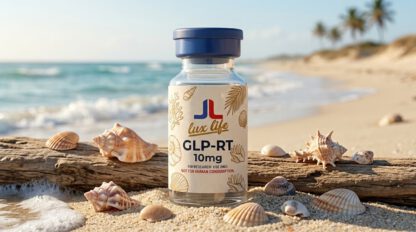
LL-RT
$66 – $165Triple agonist research peptide · 10mg
32 in stock (15 in 10mg · 17 in 50mg)
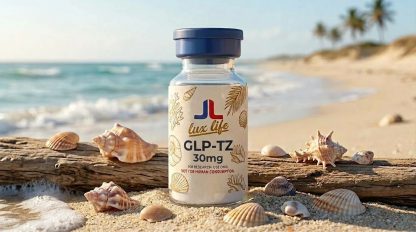
LL-Tirz
$100Dual GIP & GLP-1 receptor research specimen · 30mg
9 in stock
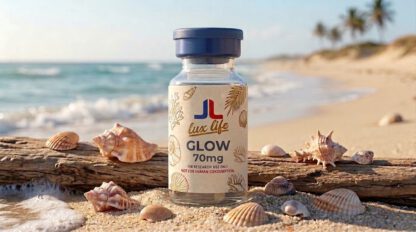
GLOW
$75Advanced research blend · 70mg
8 in stock
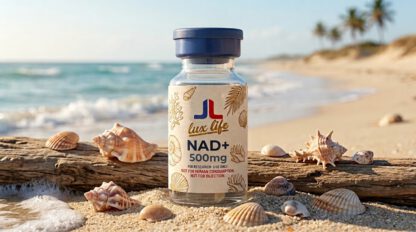
NAD+
$60Nicotinamide Adenine Dinucleotide · 500mg
3 in stock
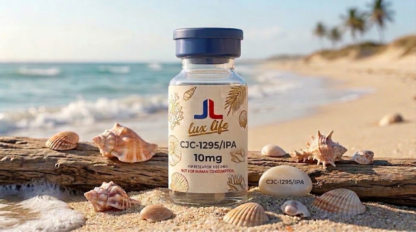
CJC-1295 / Ipamorelin 10mg
$66GHRH & Ghrelin receptor agonist blend · 10mg
9 in stock
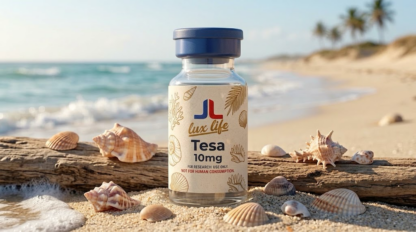
Tesamorelin
$75GHRH analogue research specimen · 10mg
Out of stock
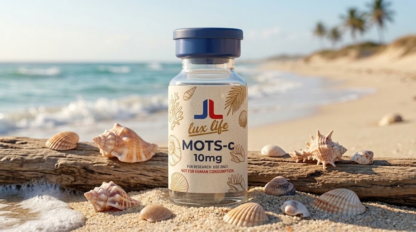
MOTS-c
$60Mitochondrial-derived peptide · 10mg
9 in stock
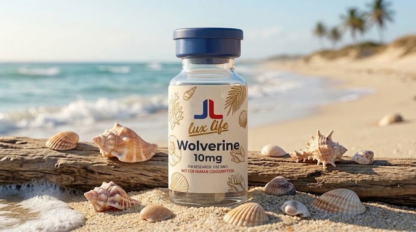
Wolverine
$65Cellular repair research blend · 10mg
6 in stock
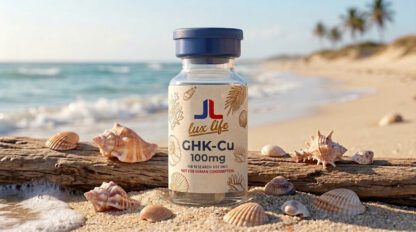
GHK-Cu
$48Copper Tripeptide-1 · 100mg
2 in stock
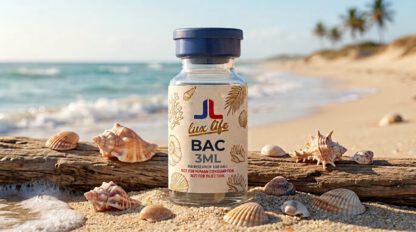
BAC
$12Bacteriostatic Water for Reconstitution · 3ML
46 in stock
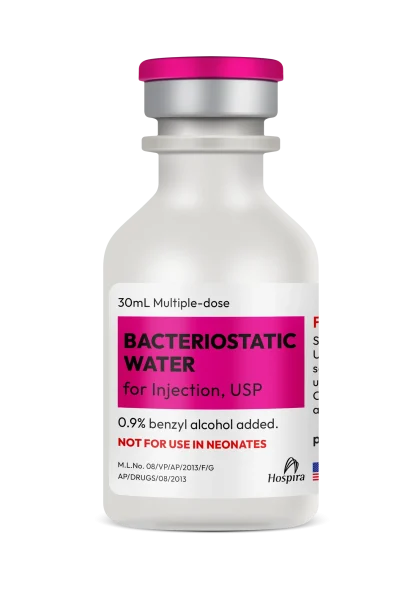
Hospira
$25Hospira Bacteriostatic Water 30mL — for laboratory reconstitution use only.
24 in stock
Research Peptide FAQ
Questions, answered.
What are research peptides?
Research peptides are short chains of amino acids, typically 2–50 residues joined by peptide bonds, that are synthesized for laboratory study. Scientists use them in in-vitro experiments such as receptor-binding assays, cell-signaling studies and analytical method development. Research peptides sold by LuxLife Aminos are research chemicals: they are not drugs, supplements or cosmetics, and they are not for human or animal consumption.
What does RUO (Research Use Only) mean?
RUO means a product is sold strictly for laboratory research and in-vitro investigation. RUO products are not approved by the FDA for diagnostic, therapeutic, dietary or cosmetic use and must not be administered to humans or animals. Every LuxLife Aminos product is designated RUO, and buyers confirm this at checkout.
What does HPLC tested mean for peptides?
HPLC (High-Performance Liquid Chromatography) is an analytical method that separates the components of a sample as they pass through a column. Each component appears as a peak on a chromatogram; the area of the target peptide's peak relative to the total area of all peaks gives its purity percentage. An HPLC result above 99% means that, by this method, more than 99% of the measured material is the target compound.
How do I verify a peptide Certificate of Analysis?
A trustworthy Certificate of Analysis (COA) names the independent laboratory that ran the test, the method (such as HPLC), the purity result and a batch or sample ID. To verify one, open the COA link and confirm the result is hosted on the testing laboratory's own website, check that the compound and amount match what you ordered, and compare the batch ID with your vial. LuxLife Aminos publishes its COAs, with direct links to the testing laboratories' verification pages, on its Certificates of Analysis page.
What is lyophilized peptide and why does it matter?
A lyophilized peptide has been freeze-dried: the solution is frozen and the water is removed under vacuum, leaving a dry powder or "cake" in the vial. Lyophilized peptides are far more stable than peptides in solution, which is why research peptides are supplied this way and reconstituted only when needed. All LuxLife Aminos peptides ship lyophilized.
How should research peptides be stored?
Store lyophilized peptides sealed, protected from light and moisture, at −20°C for long-term storage. Once reconstituted, divide the solution into single-use aliquots, keep them cold according to your laboratory protocol, and avoid repeated freeze–thaw cycles, which degrade peptide structure. Bacteriostatic water is stored at room temperature and must not be frozen.
How do I reconstitute a lyophilized peptide?
Follow your written laboratory protocol. In general: let the vial reach room temperature, disinfect the stopper, then add the specified volume of sterile diluent (commonly bacteriostatic water) slowly down the inside wall of the vial rather than directly onto the powder. Swirl gently until dissolved; do not shake. Label the vial with the concentration and date. The research solution calculator converts a labeled quantity and diluent volume into concentration and aliquot volume.
Where does LuxLife Aminos ship from?
LuxLife Aminos ships from Alabama, on the US Gulf Coast, via USPS or FedEx in discreet, unmarked packaging. Orders verified by 1:00 PM Central Time, Monday through Friday, are dropped off with the carrier the same day. LuxLife Aminos currently ships within the United States only. Details are in the Shipping Policy.
Who founded LuxLife Aminos?
LuxLife Aminos was founded in 2025 by Michael and Clarissa Wright, a husband-and-wife team in Alabama. The idea started during their honeymoon in Gulf Shores, Alabama, in September 2025. The two of them source, inspect, pack and ship every order themselves. Read more on the About LuxLife Aminos page.
What peptides does LuxLife Aminos carry?
The LuxLife Aminos catalog includes single research peptides — Retatrutide (GLP-RT), Tirzepatide, Tesamorelin, MOTS-c, GHK-Cu and NAD+ — research blends including CJC-1295/Ipamorelin, Wolverine (BPC-157 + TB-500) and GLOW (GHK-Cu + BPC-157 + TB-500), and bacteriostatic water for reconstitution. All products are for research use only.