It should come as no surprise that the current landscape of the Research Use Only (RUO) peptide space is not only rapidly expanding—it’s actively evolving. Along with this explosive growth, the laws and regulations surrounding the industry are shifting faster than ever.
It seems like every day, hundreds of new peptide companies are popping up, much like the great Fidget Spinner craze of 2017. (And hey, if you’re old enough to remember that one, your back and knees probably pop louder than an M80 on the 4th of July! Pun certainly intended). But jokes aside, let’s talk about what this boom means for the peptide research community.
With hundreds of these new brands appearing weekly, researchers have an overwhelming number of options. You’ll see a long list of companies claiming they have the “best product,” or fly-by-night sites running deeply discounted flash sales. However, when you cut through the noise, two things stick out like a sore thumb for serious researchers: Quality First, and Brand Acceptance second.
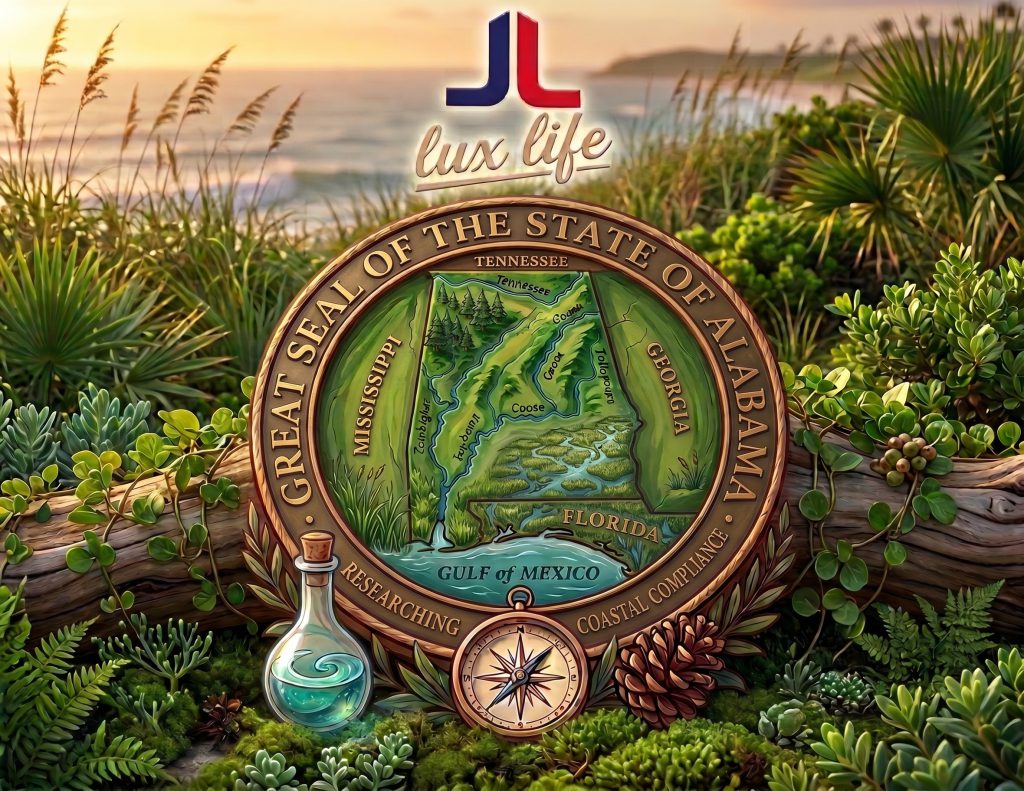
Here is a closer look at how RUO peptides are reshaping the market across the United States, with a specific focus on the evolving landscapes in Florida, Alabama, Mississippi, and the broader Deep South.
The Regulatory Landscape in the Deep South: What Researchers Need to Know
The regulatory environment for peptides in the United States has seen significant turbulence in 2026. On a regional level, state medical boards—including increased scrutiny across Florida, Alabama, and Mississippi—have cracked down on clinicians prescribing or administering certain non-FDA-approved compounding peptides for human use.
However, at the federal level, the tides are shifting in favor of peptide accessibility. In a massive regulatory pivot in April 2026, under the influence of HHS Secretary Robert F. Kennedy Jr., the FDA removed 12 highly sought-after peptides (including popular compounds like BPC-157, TB-500, MOTS-c, and Semax) from the restricted Category 2 compounding list.
This combination of state-level crackdowns and federal-level reclassifications has created a wave of confusion for buyers. So, what is the actual law of the land for independent researchers?
It all comes down to intent, classification, and federal exemptions. While clinical prescription rules fluctuate, the Research Use Only (RUO) channel is explicitly protected under the Food, Drug, and Cosmetic Act (FD&C Act). Federal law provides a clear laboratory exemption: as long as peptides are manufactured and sold strictly for in-vitro or analytical research, explicitly labeled “not for human consumption,” and marketed without therapeutic health claims, they are federally legal to purchase, possess, and ship.
For independent researchers and clinical labs operating across Florida, the Deep South, and nationwide, sourcing high-grade RUO peptides from compliant, domestic suppliers is the only way to conduct legitimate studies without crossing regulatory red lines.
Quality First:
Moving Beyond the Hype
When hundreds of popup vendors are competing on price, quality is usually the first thing to get cut. If you are conducting precise metabolic or cellular research, a “deeply discounted” peptide from an overseas pop-up shop can ruin months of data.
To meet strict scientific standards, quality can’t just be a marketing buzzword; it must be proven. Here is what separates elite RUO peptide suppliers in the US from the rest of the pack:
Third-Party Testing:
A reputable company doesn’t just ask you to trust them. They provide a Certificate of Analysis (COA) from an independent, third-party laboratory.
HPLC & Mass Spectrometry:
These are the gold standards for verifying molecular purity and confirming the exact identity of the compound. If a supplier isn’t using High-Performance Liquid Chromatography (HPLC) to guarantee 99%+ purity, their products aren’t fit for the lab.
Proper Storage and Lyophilization: Peptides are delicate amino acid chains. How they are freeze-dried (lyophilized) and stored domestically before shipping dictates their stability.
Beyond these technical specs, it is critical to always take the extra step to verify the COA directly on the actual testing laboratory’s website. Most legitimate third-party labs issue a unique verification key or QR code on their reports. Unfortunately, there are shady characters in the industry who provide doctored PDFs, making independent verification at the source essential. If you aren’t sure what to look for, check out our complete guide on how to read and verify a peptide COA lab test so you never get scammed by fake documents.
Brand Acceptance Second: The Importance of Domestic Sourcing
Once quality is scientifically verified, brand acceptance takes the wheel. Brand acceptance isn’t about who has the flashiest Instagram page; it’s about reliability, transparency, and logistics.
There is a distinct advantage to using established US domestic peptide testing and suppliers. Researchers in Florida, Alabama, Mississippi, and throughout the nation are increasingly turning away from unpredictable international shipments that get stuck in customs or arrive degraded due to temperature fluctuations.
A trusted domestic brand understands regional shipping compliances, provides rapid transit times across the Deep South, and offers responsive customer service. They build brand acceptance by treating RUO peptides with the scientific respect they demand, ensuring your lab gets exactly what it ordered, right on time.
Standing Out From the Crowd: The LuxLife Research Co Difference
When you have hundreds of overnight companies treating peptides like the Fidget Spinner trend, how do you find the ones actually committed to the quality assurance of the research peptides they actively promote and sell? That is exactly why LuxLife Research Co was built.
We saw the “Wild West” landscape of the Research Use Only market and recognized that researchers in Alabama, Mississippi, Florida, the Deep South, and across the United States needed a supplier that prioritized scientific integrity over quick hype. LuxLife stands out above the noise by operating on a foundation of absolute transparency and strict GLP (Good Laboratory Practice) compliance.
While other vendors hide behind vague claims, LuxLife Research Co guarantees the following for every compound:
Independent Third-Party Assays:
Every single batch we sell is independently verified by respected names in peptide analysis. We don’t just claim 99%+ purity; we provide the verifiable COAs (Certificates of Analysis) to prove it.
Strict RUO Compliance:
We respect the regulatory landscape. All our peptides are strictly curated for in-vitro laboratory and analytical research, leveraging FD&C Act exemptions to ensure our customers are sourcing safe, legally compliant materials.
US-Based Fulfillment: Forget weeks of waiting for a package to clear customs, only to wonder if your peptides degraded in transit. Our compounds arrive lyophilized, properly stored, and are shipped fast directly across Florida, the Deep South, and the entire US with tracking on every order.
We didn’t just want to be another peptide company popping up in the crowd; we wanted to be the standard that serious researchers rely on.
The Bottom Line
The peptide market may feel like the Wild West right now, but the cream always rises to the top. By prioritizing uncompromising quality and aligning with accepted, transparent domestic brands, researchers across Florida and the US can navigate this evolving industry safely and effectively.
Frequently Asked Questions (FAQ)
What does Research Use Only (RUO) mean for peptides?
RUO indicates that a peptide or chemical is manufactured and sold strictly for laboratory, analytical, or in-vitro research purposes. Under FD&C Act exemptions, RUO products are legal to possess and study, but they are strictly prohibited from being used for human consumption, clinical diagnostic use, or therapeutic treatment.
Did RFK Jr. and the FDA legalize peptides in 2026?
In April 2026, under HHS Secretary Robert F. Kennedy Jr.’s influence, the FDA took steps to remove 12 popular peptides (including BPC-157 and TB-500) from the restricted Category 2 compounding list. While this reclassification makes them easier for compounding pharmacies to legally produce under certain conditions, it does not change the status of RUO peptides, which have always remained legal for laboratory research purposes.
Can RUO peptides be legally shipped to Alabama, Mississippi, Florida and the Deep South?
Yes. While recent medical board regulations across states like Florida, Alabama, and Mississippi have restricted clinicians from prescribing certain compounding peptides for human clinical use, these state regulations do not override federal FD&C Act exemptions that allow the sale and shipping of RUO peptides strictly for laboratory and analytical research.
How do I verify the quality of a new RUO peptide brand?
Always look for verifiable, third-party testing. A trustworthy brand will publicly display a recent Certificate of Analysis (COA) for their batches, utilizing Mass Spectrometry and HPLC testing to prove a purity level of 99% or higher. In some cases, a research company may display the manufacturer’s COA on their website while the final, batch-specific third-party COAs are actively being tested and approved. This doesn’t take away from the product’s quality by any means, but rather provides immediate clarity and transparency for researchers.